







Search Results for: espresso extraction steps

How is espresso extracted? A complete step-by-step guide and key points from bean selection to final output
To make a rich, full-bodied espresso at home, a good machine alone isn't enough—choosing the right beans and mastering extraction details are equally key. This article starts with the classification of espresso beans, helping you clarify the difference between blends and SOE, then breaks down the complete Espresso-making process step by step—from weighing the dose, distributing the grounds, and tamping to controlling extraction time and yield, with specific parameters to reference at every stage. The article also draws on the Sunflower Warm Sun blend beans used in Front Street Coffee's stores to illustrate flavor performance and blending philosophy, making it suitable for coffee enthusiasts currently exploring espresso extraction to practice along with. [more…]
Espresso Home Brewing Guide: A Full Breakdown of Bean Selection, Blending Know-How, and Extraction Steps
To make a reliable espresso at home, bean selection and technique are equally important. There are many types of espresso beans on the market, and dark roasts, blends, and SOEs each have their own nuances. How exactly should you decide which ones suit you? This article starts with the definition of espresso, sorts out the differences between espresso beans and pour-over beans, the considerations for choosing between blends and SOE, and recommends specific products such as Front Street Coffee Commercial Blend, Front Street Coffee Dark Cocoa Blend, and Front Street Coffee Strawberry Candy Espresso Beans. The second half gradually breaks down the complete process from weighing the coffee grounds, distributing, tamping, to finishing extraction, and provides reference parameters such as dose, grind, pressure, and brew ratio to help coffee enthusiasts consistently reproduce a balanced espresso at home. [more…]
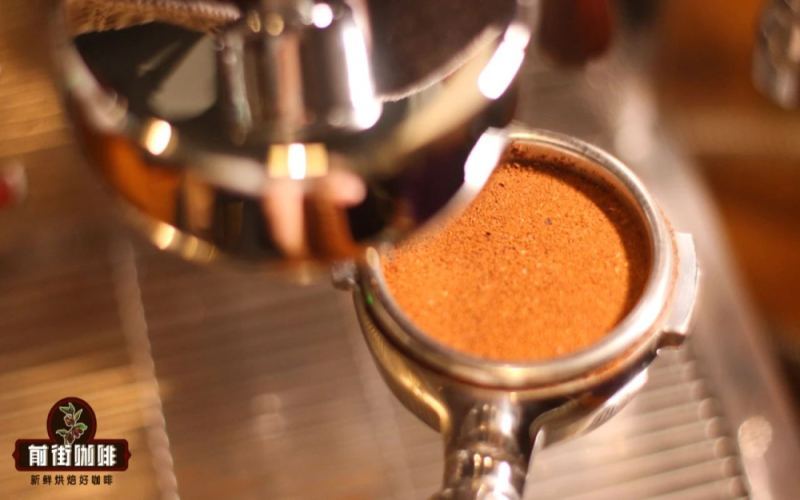
How to Make Espresso? A Detailed Explanation of the Extraction Steps, Three Layers, and Key Details
Espresso has always held a key position in café offerings, and as its soul, espresso is a core skill that every barista must master. What exactly is espresso? How should a qualified shot of espresso be extracted? Front Street Coffee will draw on practical experience, starting from the definition of espresso and its three layers, gradually breaking down the complete process of cleaning the portafilter basket, grinding and dosing, distributing the grounds, tamping, locking in the portafilter and extracting, and finally cleaning—while highlighting two key details: even distribution of grounds and recording parameters—to help coffee lovers consistently recreate their ideal espresso at home. [more…]
A Complete Guide to Espresso Making: From Americano Comparison to Espresso Machine Operation Steps and Extraction Parameters
Espresso is the base for many drinks such as Americano, latte, and cappuccino, and its preparation relies on high-pressure hot water passing through a finely ground and compacted layer of coffee. From the perspective of Front Street Coffee, this article sorts out the extraction principles of espresso, compares the historical origins and ratio differences of Americano, introduces the flavor positioning of Front Street's four espresso blend beans, and provides extraction standards such as dose, yield, and time. Finally, it includes the seven-step process for in-store practice and extended drink-making methods, making it suitable for coffee enthusiasts who want to systematically master espresso preparation and bean selection ideas. [more…]
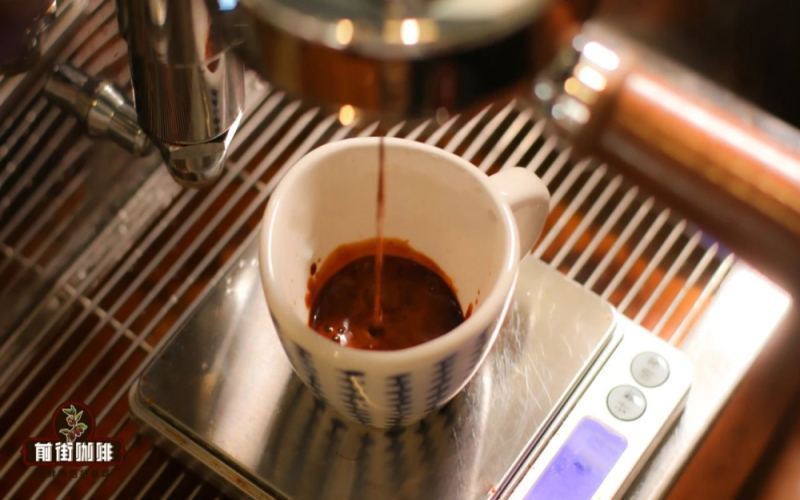
Espresso Comprehensive Guide: The Concept's Origin, Extraction Principles, and Six-Step Preparation Process
Espresso is the most common type of coffee in today's cafés, and it is also a daily must-order choice for many enthusiasts. It originated in Italy and is characterized by rapid extraction under high pressure. A single shot of espresso is about one ounce, covered with a reddish-brown crema on the surface. From the perspective of Front Street, this article systematically explains the concept of espresso, the principles behind crema formation, the differences between dark-roast blends and single-origin espresso (SOE), and breaks down in detail the six preparation steps: cleaning the portafilter basket, grinding and dosing, distributing the grounds, tamping, locking in the portafilter and extracting, and cleaning the portafilter basket. It also shares practical advice on parameter recording and coffee bean freshness to help you make a balanced, sweet, and mellow espresso at home. [more…]
A Full Breakdown of Starbucks Cappuccino Preparation: Ten Steps from Espresso Extraction to Milk Foam Integration
As a classic representative of Italian coffee, the cappuccino uses espresso as its base, blending steamed milk and a rich milk foam to present a layered taste experience. Following Starbucks' professional coffee operating standards, this article will break down the cappuccino-making process step by step, from tamping the coffee grounds and pulling the espresso to controlling the steamed milk temperature and incorporating the milk foam, covering ten key steps in total. At the same time, the article also distinguishes the differences between dry cappuccino and wet cappuccino in the ratio of milk foam to steamed milk, and emphasizes easily overlooked details such as cleaning the steam wand. Whether you want to recreate the Italian flavor at home or hope to refine your coffee skills, this illustrated tutorial can provide clear and practical guidance. [more…]
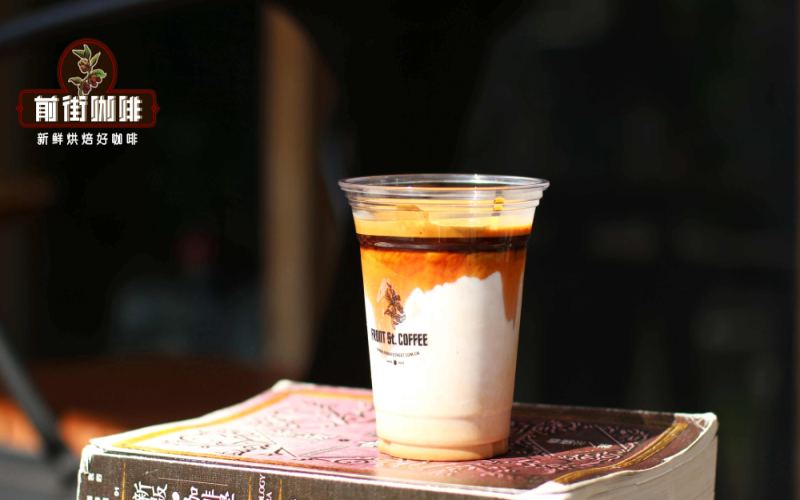
Latte Coffee Making Guide: Espresso Bean Selection and Hot Latte Step-by-Step Instructions
Latte coffee, with its blend of espresso and fresh milk foam, has become the drink that many people use to start their day. To make a delicious espresso latte, the choice of coffee beans, the espresso extraction parameters, and the degree to which the milk is steamed all directly affect the final flavor. Starting from the composition of the ingredients, this article introduces two Front Street espresso blend beans suitable for making lattes, and breaks down in detail the process of making a hot latte, including key details such as dose, liquid yield, extraction time, and milk foam temperature and thickness, helping coffee lovers reproduce at home a latte that is smooth in texture and full in flavor. [more…]

How to Use an Espresso Machine | Which Espresso Blends Are Suitable for Semi-Automatic Espresso Machines? Espresso Bean Origins, Varieties, Prices, and Espresso Extraction Ratio Plans
Espresso was invented by MR. Gaggia in 1946. Gaggia further improved the piston pressure system—using spring pressure instead of manual pressing, so that the brewed coffee is topped with a layer of golden coffee crema (Crema), which is Crem [more…]
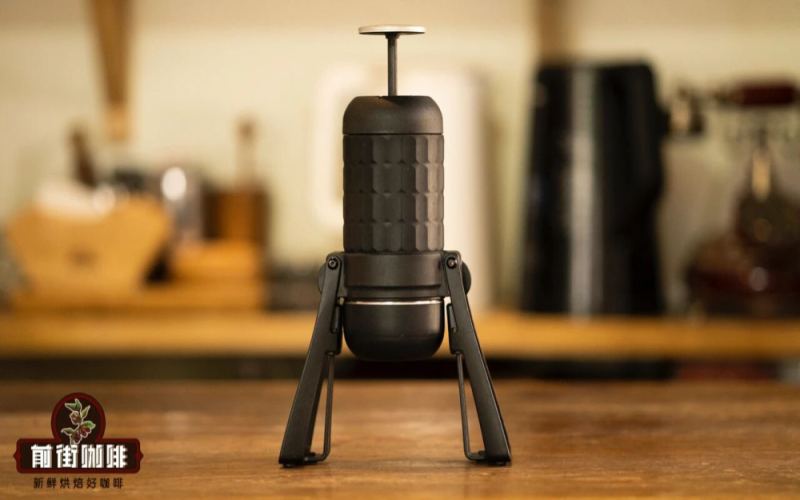
Guide to Extracting Espresso with a Manual Portable Espresso Maker: Suitable Bean Selection and Complete Operating Steps
The hand-press portable espresso machine, with its space-saving advantage, has become the top choice for many coffee lovers on the go. Combining a pump lid, hot water tank, and portafilter bottom lid, it can hold 18–22g of coffee grounds, be filled with 120–180ml of 94°C hot water, and freely adjust pressure within the 15–20bar range via a pressure regulating valve. This article starts with recommended bean varieties, detailing the flavor profiles of three beans: Front Street Classic Blend, Front Street Commercial Blend, and Front Street Strawberry Candy Espresso, then demonstrates step by step the complete process from loading grounds, adding water, to pressing and extracting, and finally uses 40ml of espresso with 200ml of hot milk to make a latte, testing the smoothness of the crema. [more…]

Easy Latte at Home: A Complete Guide from Espresso to Iced Latte and Dirty
Latte coffee is a classic fusion of espresso and milk, with a flexible ratio, usually between 1:5 and 1:8. This article starts with the origin of the latte, then gradually introduces how to choose coffee beans, extract espresso, and steam milk, and provides detailed illustrated steps for making iced latte and Dirty coffee. Whether you prefer the rich and smooth texture of a hot latte or the cool layers of an iced latte, you can find a practical guide here. The article also incorporates Front Street brand bean recommendations and brewing tips to help you recreate cafe-quality deliciousness at home. [more…]
American Coffee Recipe Steps | How Big is a Standard Americano? What Are the Steps to Make an Americano? Hot Americano and Iced Americano Ratios
Each region has its own way of drinking coffee, and because some regional coffee-drinking methods are quite representative, they have given rise to a kind of local culture—just like Turkish coffee or Italian coffee. When it comes to these coffees, a picture may already have formed in your mind. But when it comes to Americano, everyone's mind... [more…]

Espresso with little or no crema? A step-by-step analysis of the causes, from freshness and roast level to extraction parameters.
The golden layer of crema on the surface of espresso is often regarded as an important signal for judging the state of extraction. Under normal circumstances, the concentrated liquid will be covered by a golden crema about one-third of its thickness, showing a creamy texture when swirled, with noticeable clinging to the cup wall. If the extracted coffee lacks crema or has thin crema, it often indicates that something in the process has gone wrong—it could be the condition of the coffee beans themselves, or deviations in machine pressure, grind size, or water temperature. This article analyzes multiple factors affecting the amount of crema, including coffee bean freshness, roast level, degree of extraction, coffee machine pressure, and varietal differences, and provides diagnostic approaches for five common problem scenarios. The article also introduces Front Street Coffee's related products in fresh roasting and espresso blends. [more…]

The Origins of Americano and Espresso: A Complete Guide from Definition and Extraction to Hot and Iced Brewing Methods
Americano may seem simple, yet it has a history dating back to World War II, along with a complete technical system ranging from espresso extraction to water dilution ratios. This article begins with the definition and origin of Americano, sorts out the differences between the drip method and the espresso-plus-water method, and then uses Front Street Coffee's Sunflower Warm Sun blend as an example to break down in detail the grinding, tamping, and extraction parameters for espresso, as well as the comparative conclusions between 1:8 and 1:6 water dilution ratios for Americano. The article also introduces the tasting steps and flavoring suggestions for Americano, and compares the differences between hot Americano and iced Americano in aroma and refreshing quality, helping coffee enthusiasts fully understand this most ordinary yet most skill-testing black coffee. [more…]
What is the flavor code of espresso? Which coffee beans and extraction process should be chosen for an authentic cup?
Espresso is the core of café output and the litmus test of a barista's fundamental skills. This article begins with the definition of espresso and its three major structures, explains the formation principle of the crema, clarifies why espresso production favors fresh medium-dark roasted beans, and offers recommendations for two Front Street Coffee espresso blends; it then provides a complete breakdown of the six-step process from cleaning the portafilter basket, grinding and dosing, distributing the grounds, tamping, locking in the portafilter and extracting, to cleaning. Whether you want to understand espresso flavor or want to consistently replicate a qualified espresso at home, this article will give you clear answers. [more…]
How to Choose and Extract Espresso Beans? A Complete Guide from Blend Recommendations to Parameters and Steps
To make a delicious espresso at home or in a café, the choice of coffee beans and the extraction parameters are equally crucial. Different machines and bean conditions vary, and no single set of data can guarantee 100% success, but mastering dose, ratio, time, and grind size can greatly improve consistency. This article begins with the flavor sources of espresso, introduces the origin composition and flavor characteristics of several Front Street Coffee blends—Classic, Strawberry Candy, Specialty, Commercial, and Basic Espresso Blend—and then breaks down core parameters such as dose, brew ratio, extraction time, and grind size in detail. Finally, it includes the complete operational steps from dosing, distribution and tamping, pre-extraction confirmation, to extraction, helping coffee enthusiasts systematically understand the logic of making espresso. [more…]
Espresso Full Analysis: From Historical Evolution to Extraction Parameters and Detailed Practical Steps
Espresso is the base of many popular coffee drinks today—Americano, latte, cappuccino, and flat white all depend on it. From the perspective of Front Street Coffee, this article traces the birth and evolution of Espresso in Italy, and breaks down one by one the key parameters needed to extract espresso—dose, brew ratio, extraction time, and grind size—while also providing the complete operating steps from receiving the grounds, distributing and tamping, to extraction. The article also combines the actual production experience of Front Street Coffee stores to explain the dose, liquid weight, and time settings for single and double espressos, and recommends espresso blend coffee beans suitable for home replication, helping coffee enthusiasts understand more systematically and make stable espresso. [more…]
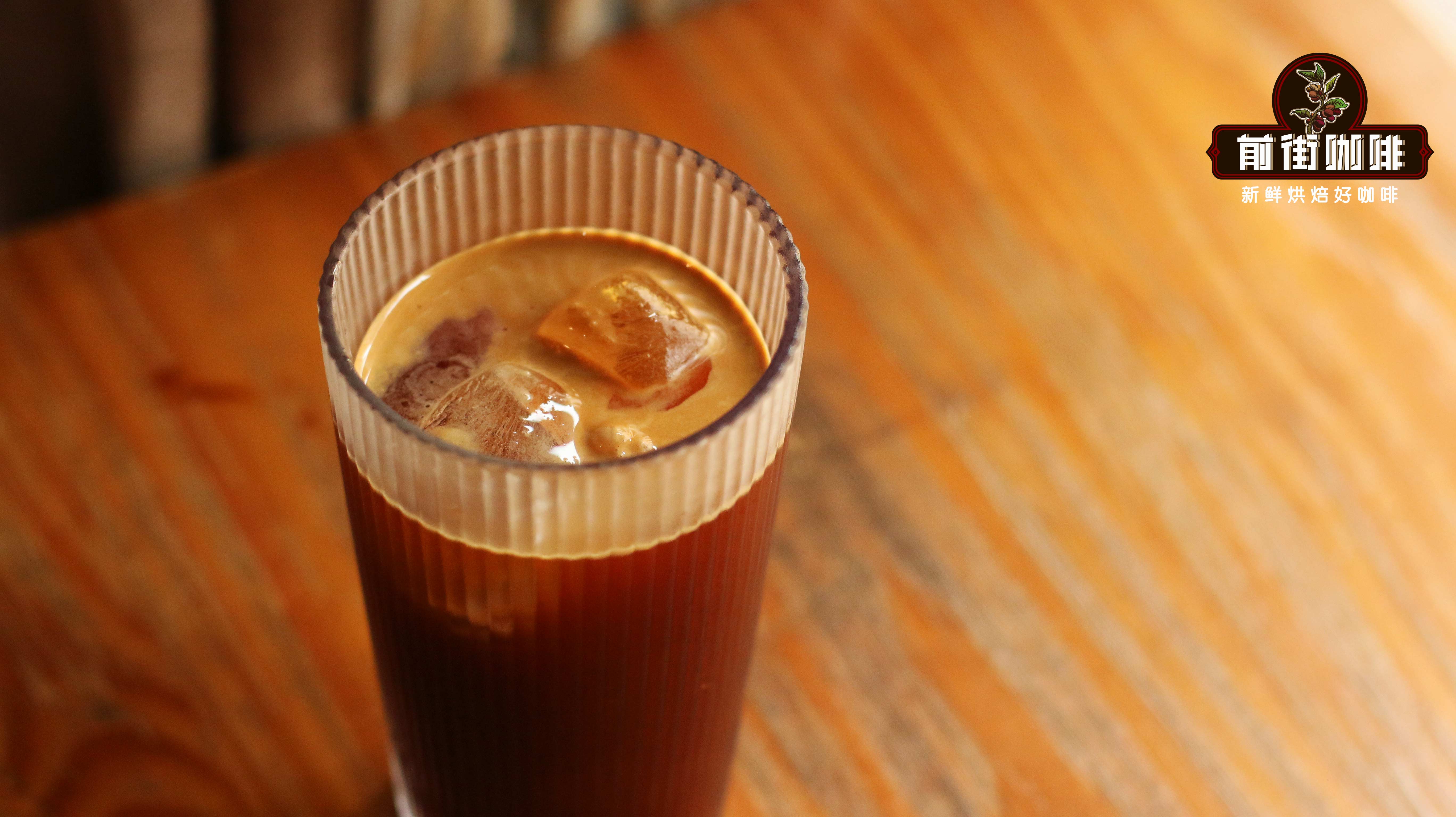
Step-by-Step Guide to Making Americano: A Full Breakdown of Iced Americano Cup Capacity, Ratios, and Calories
Americano may seem like it only requires two steps—espresso and water—but in reality it is the best test of a barista's extraction skills. Without the embellishment of milk, the flavor characteristics of the coffee beans themselves are amplified in an Americano, so many industry professionals judge a shop's quality by a single cup of Americano. This article will start with espresso extraction parameters, combine them with the practical experience of Front Street Coffee, and separately explain the production process, coffee-to-water ratio, and cup size selection for hot and iced Americanos, while also exploring an interesting detail—after skimming off the crema on the surface of the espresso, how does the flavor of the Americano change? Whether you want to replicate a qualified Americano at home or want to gain a deeper understanding of the extraction logic of Italian-style coffee, you can find practical references in this article. [more…]
Analysis of Espresso Flavor Characteristics and a Guide to Choosing Coffee Beans Suitable for Espresso
Espresso is the core category of coffee shop output and a key link that tests a barista's basic skills. A standard Espresso is quickly extracted under about 9 bar of high pressure, usually with a single serving capacity of about one ounce, and is composed of three layers: crema, body, and heart. The formation of crema is closely related to the interaction between carbon dioxide and coffee oils, and it is also the source of espresso's unique charm. In terms of coffee bean selection, the logic of espresso is completely different from that of pour-over. Coffee shops generally prioritize fresh medium-dark roasted beans to balance caramel aroma with slight fruity acidity. This article will also break down in detail the six operating steps from cleaning the portafilter basket to completing extraction. [more…]

The Complete Guide to Brewing Espresso with a Moka Pot: Bean Selection, Grinding, and Step-by-Step Instructions
As a simple and practical household coffee device, the moka pot is deeply loved by friends who are just getting into coffee. Through a combination of text and images, this article will systematically explain the complete process of making espresso-style black coffee with a moka pot, including ideas for selecting coffee beans, key points for controlling grind size, and every operational detail from adding water to extraction. It will also share adjustment methods for under-extraction or over-extraction, and introduce several common ways to drink moka pot coffee, helping everyone easily make a cup of balanced espresso. [more…]
American Coffee Home Brewing Guide: The Golden Ratio of Espresso to Water and a Detailed Step-by-Step Tutorial for Iced Americano
Americano may seem simple, made of nothing but espresso and water, yet it is the best test of a barista's extraction skills. Drawing on the hands-on experience of Front Street Coffee, this article explains in detail how to make hot and iced Americanos, the precise ratio of coffee to water, and explores how skimming off the crema affects flavor. Whether you want to recreate an authentic Americano at home or understand the underlying logic of espresso, this tutorial will give you clear guidance. [more…]